
Technology Domains
Scientific and engineering domains within an interdisciplinary structure
Each domain works with particular data, methods and questions. Connections between domains are defined by the scientific problem and available inputs.
Scientific Scope
Data, method and question
The descriptions below clarify the public scope of each technology; a specific method is selected only after the question and data are defined.
01
Genetics & Genomics
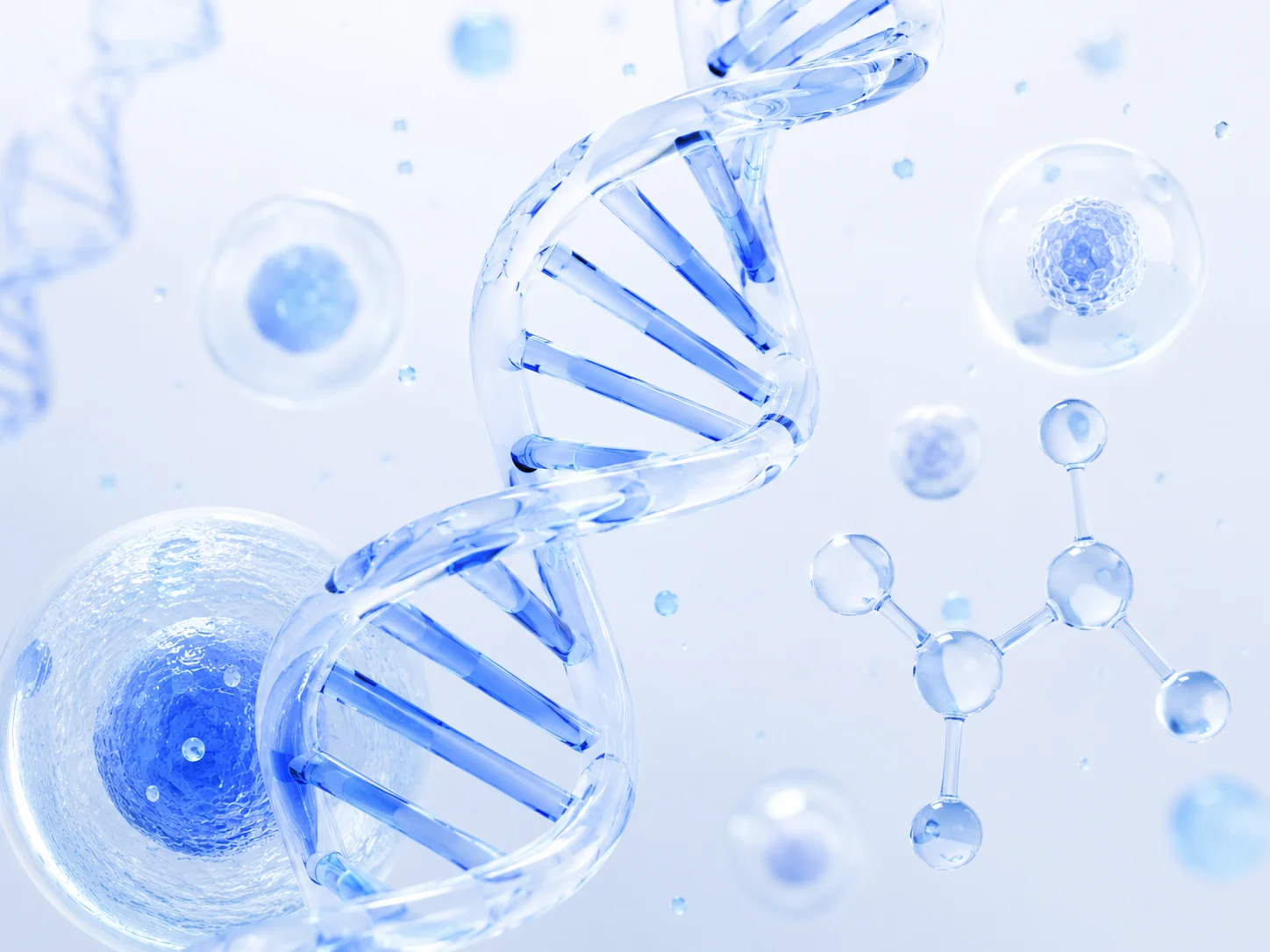
This domain examines genetic and genomic information, inheritance patterns, genetic relationships and variant-related information. Pedigree and family-history context may also be relevant when the question requires it.
Data & Method
Genetic information can be examined at different levels using statistical or computational methods; the level of analysis depends on the scientific question, data type and completeness of the available information.
Questions It May Support
These analyses may support biological research, examination of family relationships or study of features associated with a defined problem. Not every genetic analysis is a clinical service or medical diagnosis.
Scientific Connections
Primary connections: Sequencing Technologies, Genetic & Genomic Analysis and the ZiZiPed platform.

02
Sequencing Technologies
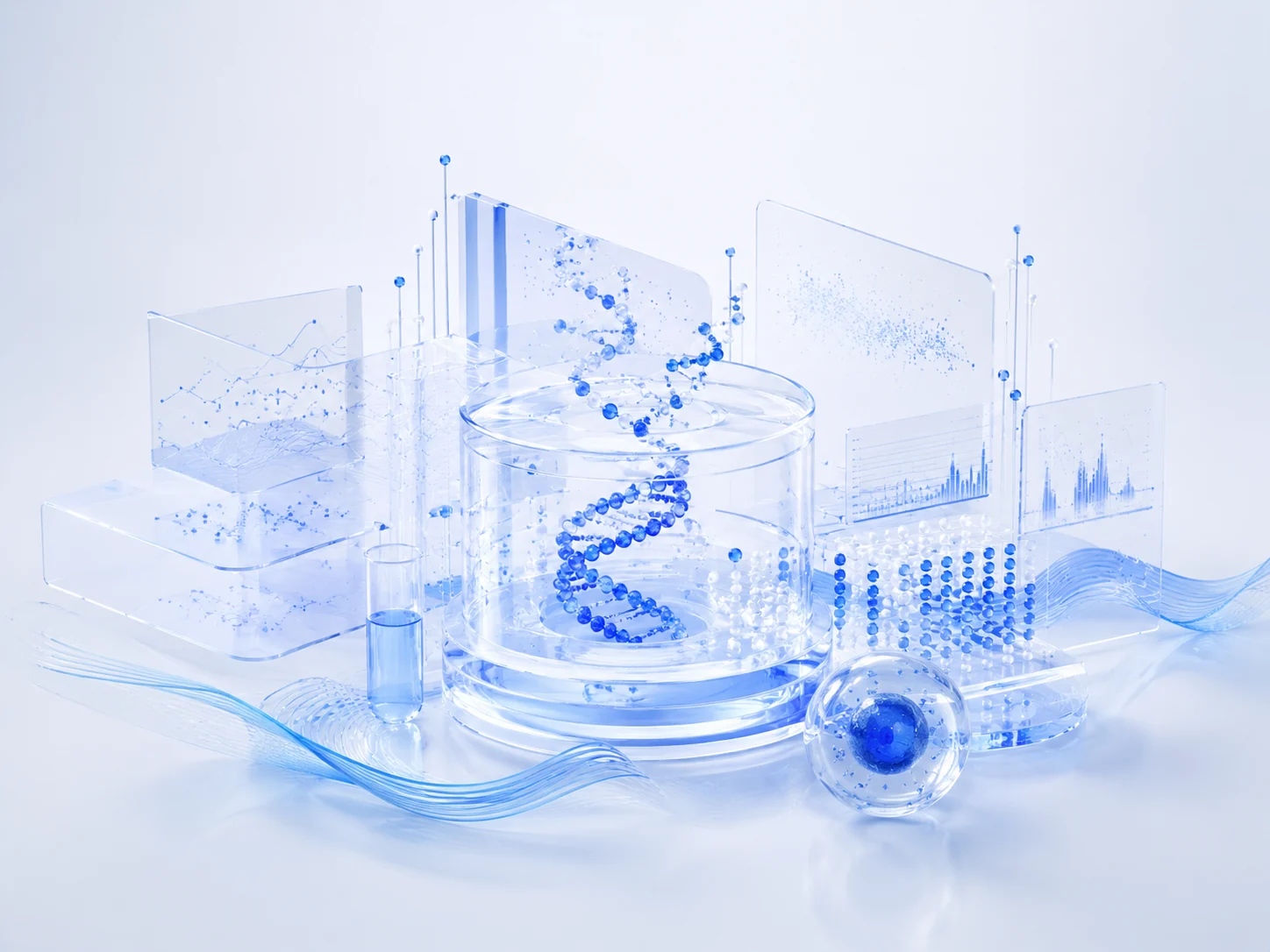
Sequencing is the process of obtaining information about the order of elements in a biological sequence; the public scope here focuses primarily on nucleic-acid sequences.
Data & Method
Generating sequence data is distinct from its downstream processing, quality assessment, analysis and interpretation. Methods at each stage depend on the data type and project question.
Questions It May Support
Sequence data may support genetics and genomics research or analysis of genetic information. Its use depends on data quality, study design and defined limitations.
Scientific Connections
Primary connections: Genetics & Genomics, Genetic Data Analysis and Sequencing Project Services.
03
Health AI & Data Intelligence
Health and biomedical datasets may contain clinical variables, laboratory measurements, biological variables, time-dependent observations and multidimensional features.
Data & Method
Depending on the problem and available data, analysis may use statistics, pattern recognition, machine learning, neural networks or data-driven modeling. Method selection must correspond to the data structure and objective.
Questions It May Support
These approaches can identify patterns, examine relationships or support research models. A computational output is not, by itself, a medical diagnosis or an independent clinical decision.
Scientific Connections
Primary connections: Genetics & Genomics, Medical Image Computing and Health & Biomedical Data Analysis.
04
Medical Image Computing
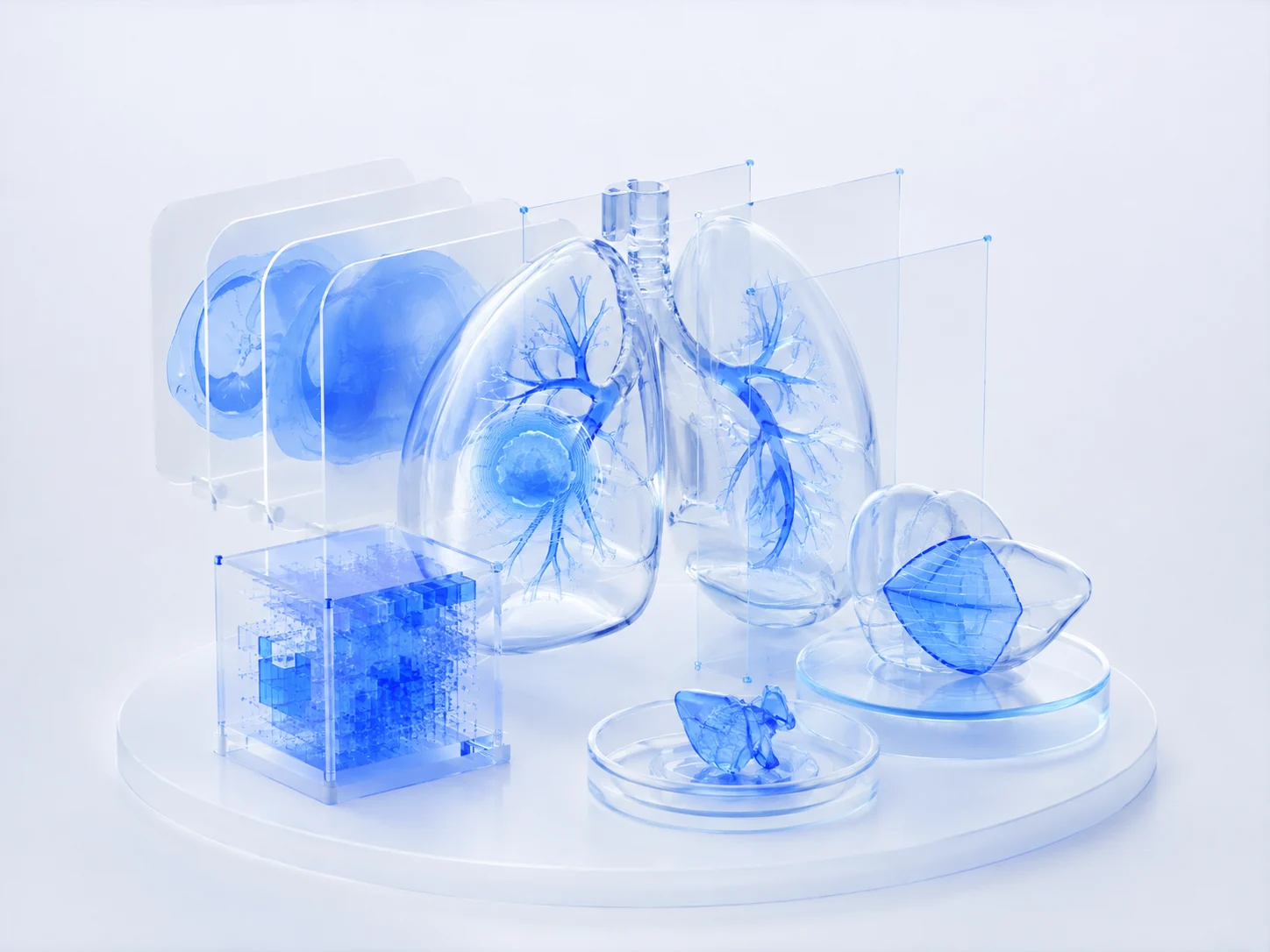
Medical Image Computing covers computational processing and analysis of medical images. Its public scope can include preprocessing, segmentation, quantitative feature extraction, image analysis and three-dimensional reconstruction.
Data & Method
The appropriate method depends on imaging modality, data quality, the scientific question and project objectives. Computational interpretation is meaningful only within that defined context.
Questions It May Support
These methods may support measurement, structural representation and research investigation; they do not imply automated medical diagnosis.
Scientific Connections
Primary connections: Data Intelligence, Biological 3D Modeling and Computational Bioengineering.
05
Computational Bioengineering
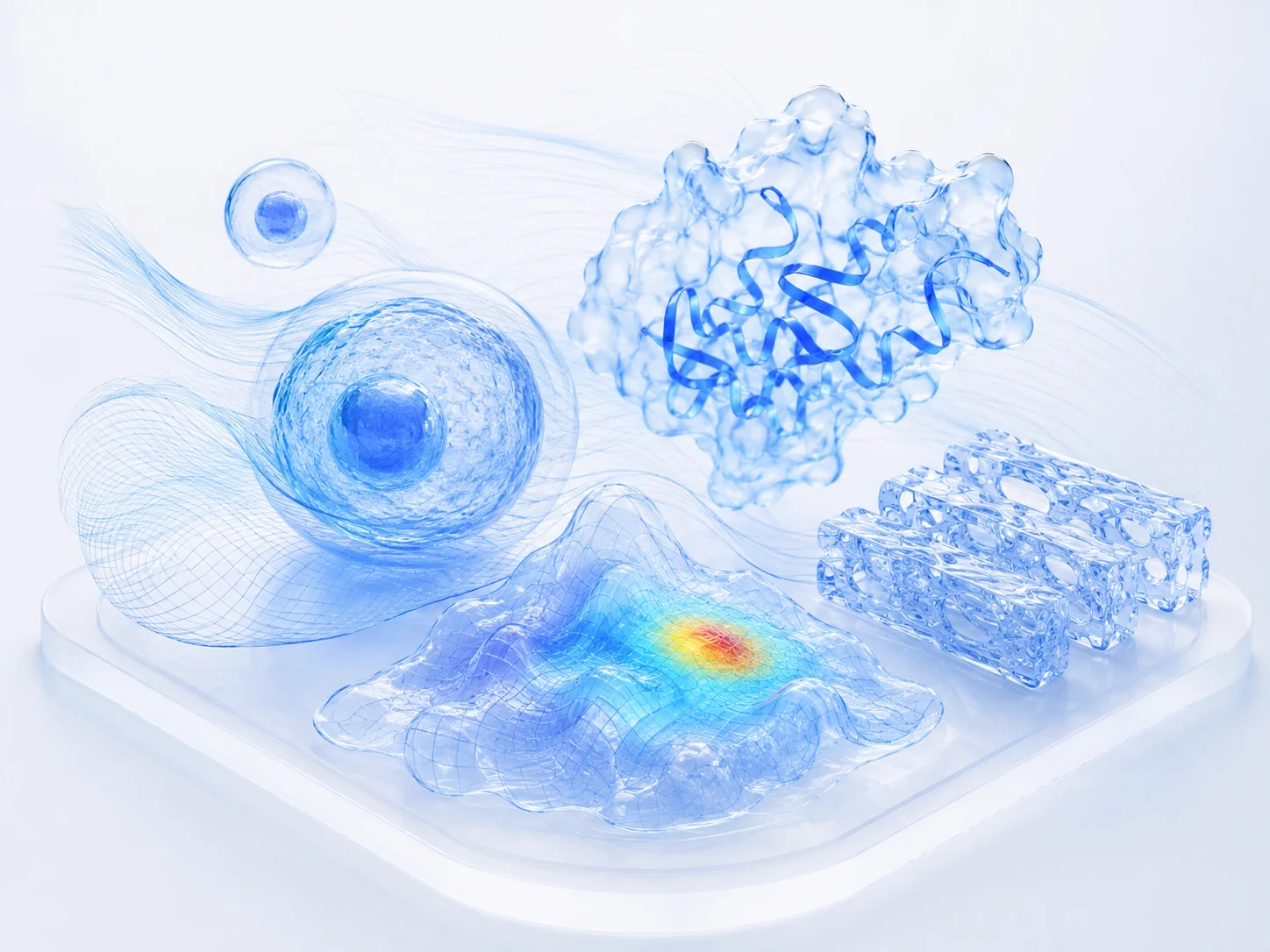
Computational Bioengineering combines engineering principles, mathematical models, numerical methods, simulation and biological or physiological data to investigate biological systems.
Data & Method
Public-level work may include system modeling, biomechanical analysis, fluid or transport modeling where relevant, and simulation of biological processes.
Questions It May Support
Problem- or patient-specific models are interpreted only within their defined data, assumptions and parameters; they are not automatically validated clinical digital twins.
Scientific Connections
Primary connections: Medical Image Computing, Biological 3D Modeling and Biomedical Data Analysis.
06
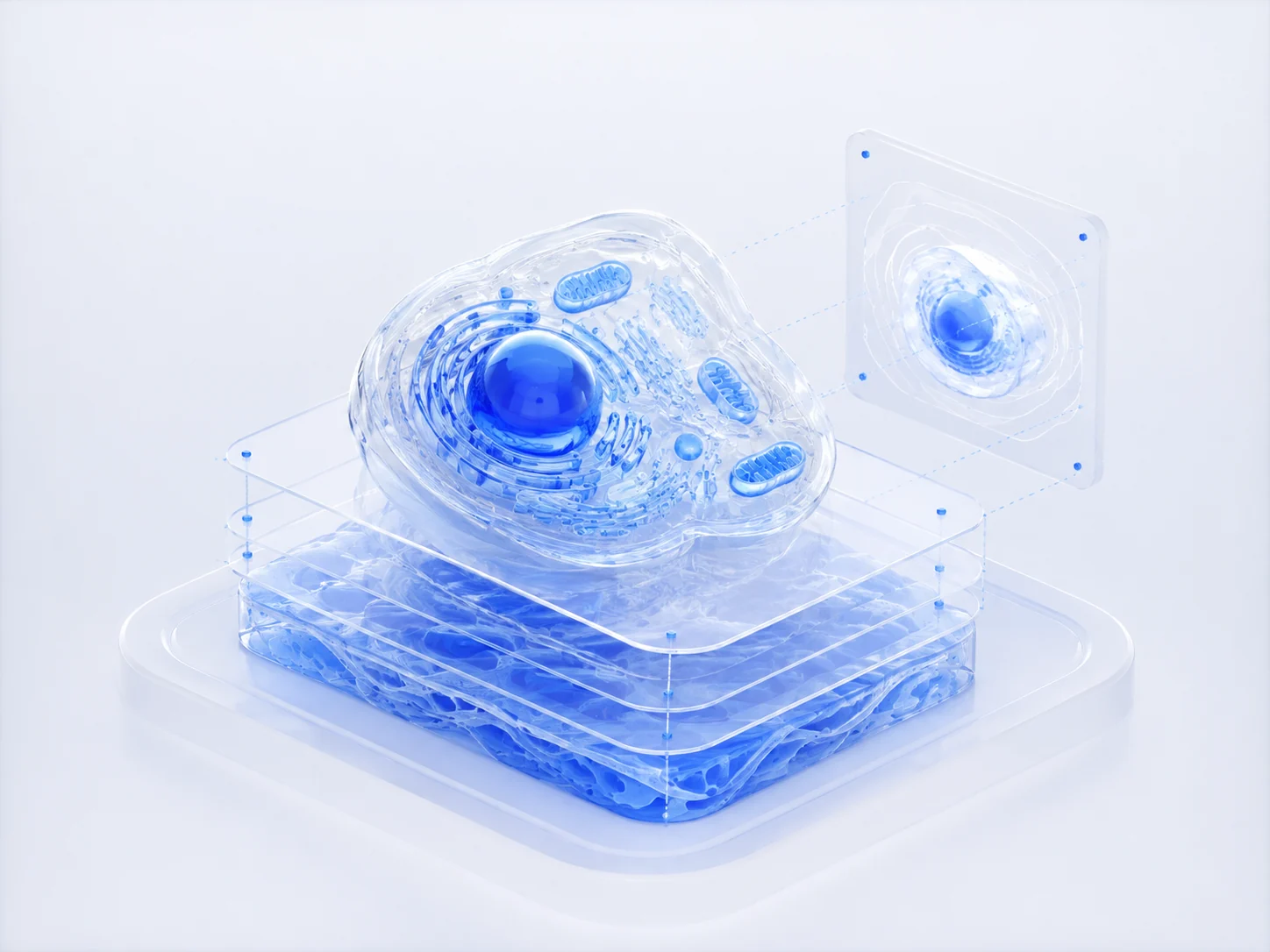
Biological 3D Modeling
This field concerns the creation and use of three-dimensional representations of biological structures. Depending on the project, geometry may be derived from medical images or other approved structural data.
Data & Method
Outputs may support structural reconstruction, 3D visualization, engineering-ready geometry, simulation preparation or preparation of a physical model.
Questions It May Support
Three-dimensional visualization, computational modeling and physical fabrication are distinct activities and do not necessarily occur together in every project.
Scientific Connections
Primary connections: Medical Image Computing and Computational Bioengineering.
Technology in Development and Use
Nano-gap Sequencing
Liorazi develops and uses its own nano-gap sequencing technology and device. This fact concerns sequence-data generation; downstream processing, analysis and interpretation are separate activities defined by the data and question.
Proprietary architecture, internal logic and unconfirmed device specifications are outside the public scope.
Do you have a problem or project to explore?
Share the project’s general objective and context so that an appropriate path for potential collaboration can be considered.
Start a Project